What Are The Risks of Gynecomastia Surgery?
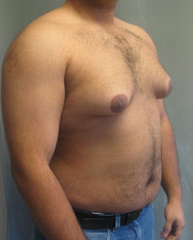 | For those who don't know, gynecomastia is an increase in breast gland tissue, which is different from the fat tissue that may accumulate on breasts and other areas of the body, due to obesity. It can appear in males who aren't fat at all, and its main cause is the high estradiol hormone blood level. Now, there are various remedies for this condition, but the fastest one is surgery, which consists in the removal of a certain part from the breast tissue. But surgery comes with various risks. And that's what the present post is about: the risks of gynecomastia surgery. |
So, if you're considering surgery for a problem of this nature, here are some of the risks you might be facing.
1. Infection. Almost any type of surgery can lead to an infection of the area where surgery has been performed. This happens due to the poor sterilization of medical equipment, or the wound can simply collect pathogens from the air, while surgery is performed. Other than that, an infection may be caused from pathogens already present in the tissues, blood or on the skin of the patient. Anyway, an infection is easily treatable, and most patients are administered prophylactic drugs after the surgery, to prevent any infection.
2. Slow healing. The healing process can considerably vary from a patient to another. It goes without saying that a slow healing process, after gynecomastia surgery can be quite an inconvenience.
3. Scarring. Any surgery more or less properly performed can result in bad scarring of the skin. Not only that, the skin around the area may suffer discoloration or darker pigmentation, resulting in a bad aspect.
4. Asymmetrical chest. Evidently, if you're going with surgery, you should choose a surgeon specialized in this type of conditions. They should have a lot of experience with this type of surgery, and they can make sure you will end up with a normal chest, without any significant asymmetries between the both pectorals.
5. Blood clots. Again, these can appear in case of any type of surgery. And they can lead to various other problems.
6. Nerve sectioning. If the surgeon isn't careful enough, or experienced enough, they might section certain nerves, which can lead to post-surgery pain, often requiring the patient to undergo another surgery process.
7. Deep vein thrombosis. This is also blood clotting, but inside a vein. This can lead to pulmonary embolism or cardiac arrest.
Now, if unfortunately experience gynecomastia, surgery should be your final option, after you've tried out treatments and other methods. Any physician should tell you that. And when it comes to medication for gynecomastia, Gynexin is one of the most effective drugs. Follow this link http://gynoguide.com to find out more on how Gynexin works.
